Car Key Replacement by Vehicle Brand: What Makes Each One Different
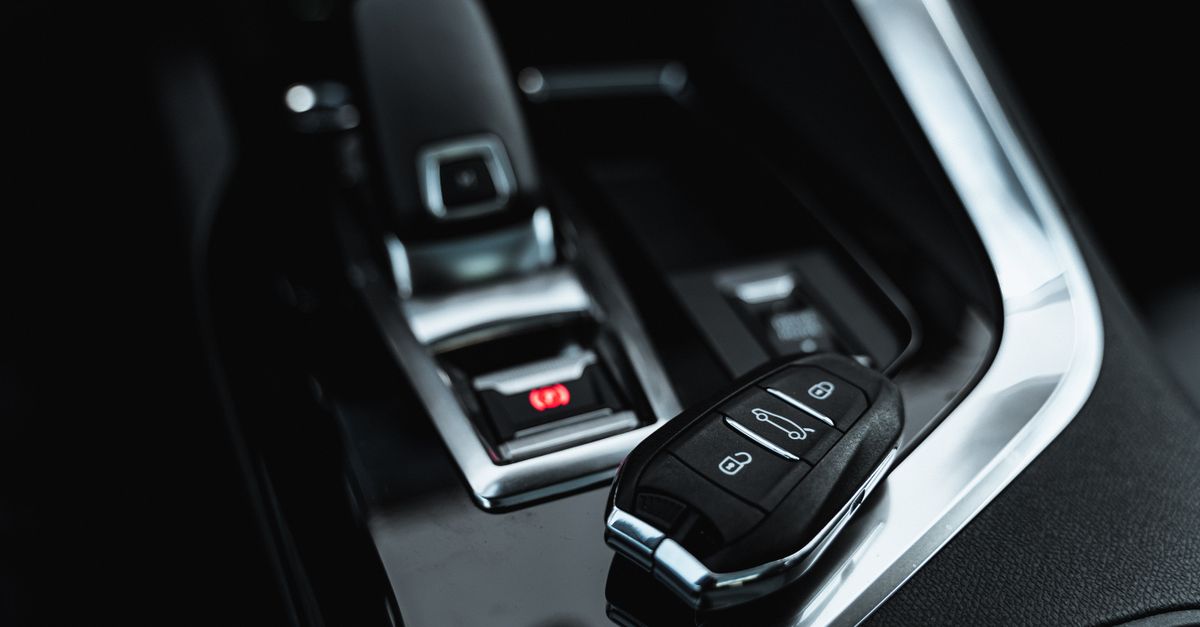
No two automakers handle key security the same way, and that difference matters enormously when you need a replacement. Ford and Lincoln vehicles manufactured after 2011 typically use PATS (Passive Anti-Theft System) transponders that must be cloned or programmed through the OBD-II port with brand-specific software — cutting alone will start nothing. GM vehicles (Chevrolet, Buick, GMC, Cadillac) across many model years rely on the VATS or PassLock systems; newer trucks and SUVs often use proximity smart keys that require dealer-level J2534 programming, which our technicians carry in their mobile rigs. Toyota and Lexus keys — including the widely used H and G transponder chips — demand immobilizer resets that must be synchronized to the ECU, a process our team performs on-site in parking lots, driveways, and roadside locations throughout Elizabeth.
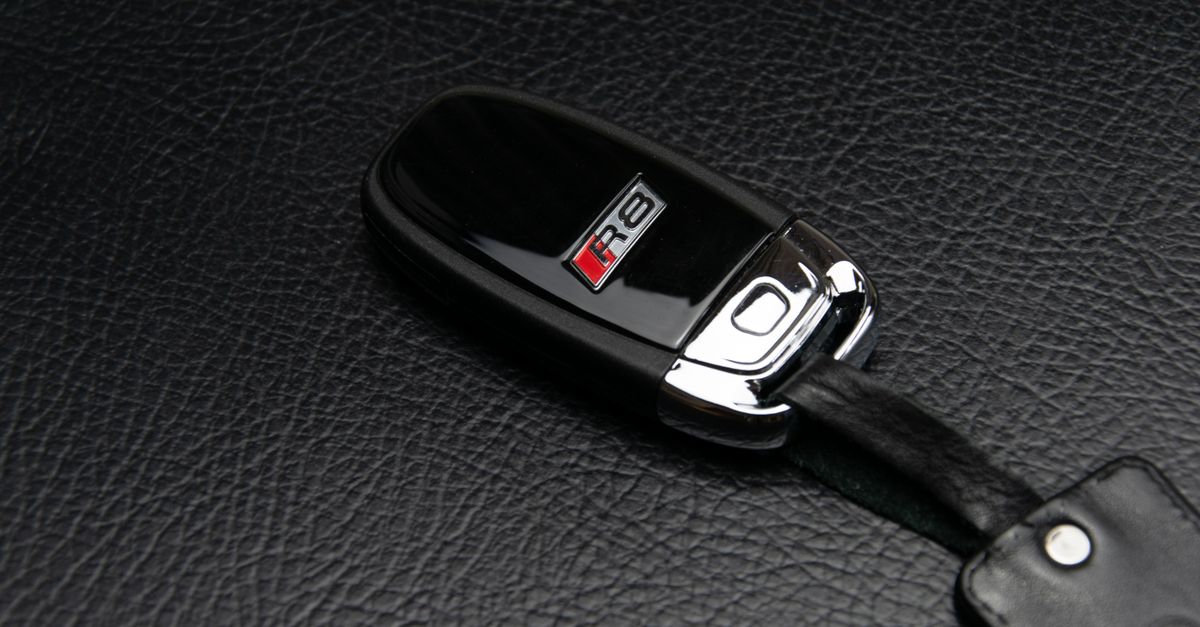
Honda and Acura owners frequently discover that their key fobs and transponders are married to the vehicle's immobilizer at the factory and cannot simply be swapped from a parts store. Chrysler, Dodge, Jeep, and Ram vehicles use the Sentry Key Remote Entry Module (SKREEM), which requires a specific number of key 'seeds' already present in the system before a new key can be added — a nuance that trips up under-equipped services but is routine for our technicians. Hyundai, Kia, Nissan, and Subaru each have their own chip families and programming protocols. European brands — BMW, Mercedes-Benz, Audi, Volkswagen — often use encrypted key data and infrared or proximity fob systems that require advanced diagnostic access. Regardless of the badge on your steering wheel, Elizabeth NJ Locksmith arrives with the tools and training to handle it.