What Is a Mortise Lock and Why Do Elizabeth Homes Have So Many of Them?
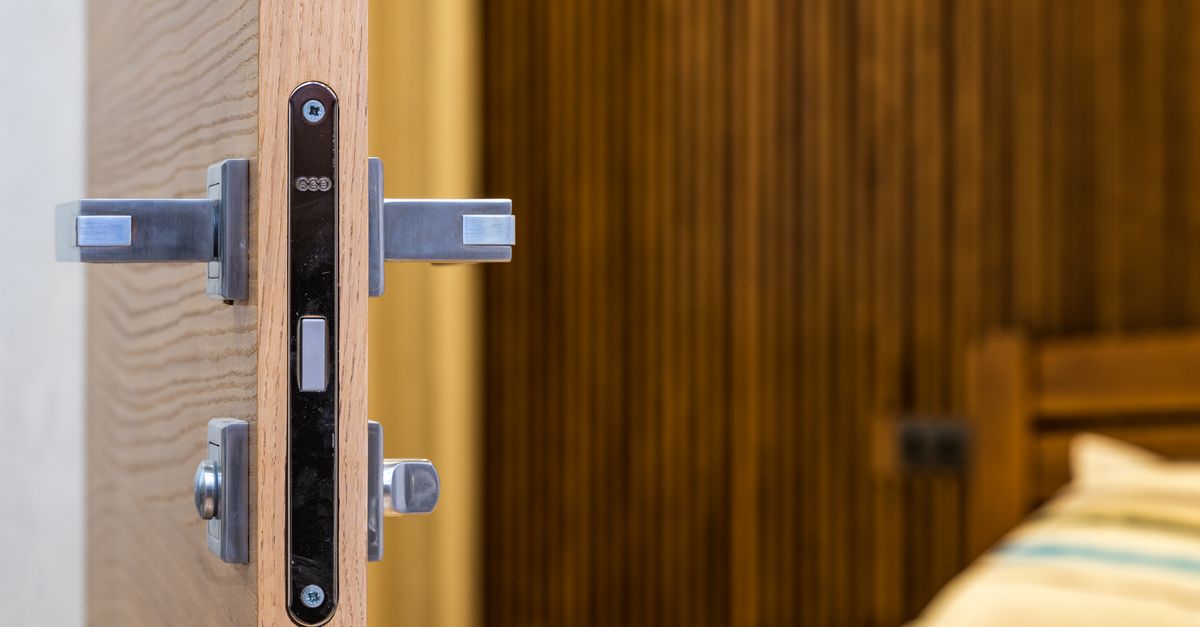
A mortise lock differs fundamentally from the cylindrical knob or lever sets common in newer construction. Instead of a cartridge that sits entirely within the door knob, a mortise lock set consists of a full metal case—typically 5 to 7 inches tall—that slides into a deep rectangular pocket routed into the door stile. That case contains the deadbolt, the latch, the spindle hub, and sometimes a privacy or passage turn, all in one unit. Entry is controlled through a separate mortise lock cylinder that threads into the face of the case and drives the internal cam. This integrated design is why mortise hardware was the residential and commercial standard from roughly the 1890s through the 1960s, and it's exactly why so many Elizabeth properties—especially those built during the city's early-twentieth-century population boom—still have it on every exterior and interior door.
The practical implication is that a failing mortise lock set is not a DIY job. The case must be removed by backing out the cylinder setscrew, extracting the cylinder, removing the face plate screws, and sliding the entire body out of its mortised pocket—all without damaging a door that may be original to the house and irreplaceable. Our technicians are experienced with the full range of vintage American-made hardware, including Corbin Russwin mortise lock cases that appear frequently in Elizabeth's older institutional buildings and schools, as well as Baldwin mortise lock sets found on higher-end residential properties. We also work on more contemporary electric mortise lock systems used in access-controlled commercial entries, and we can advise property owners on smart mortise lock upgrades that add keypad or credential-based entry while preserving the structural mortise format in the original door.