Elizabeth NJ Locksmith Service Team
Local locksmith team
May 6, 2026 12 min read
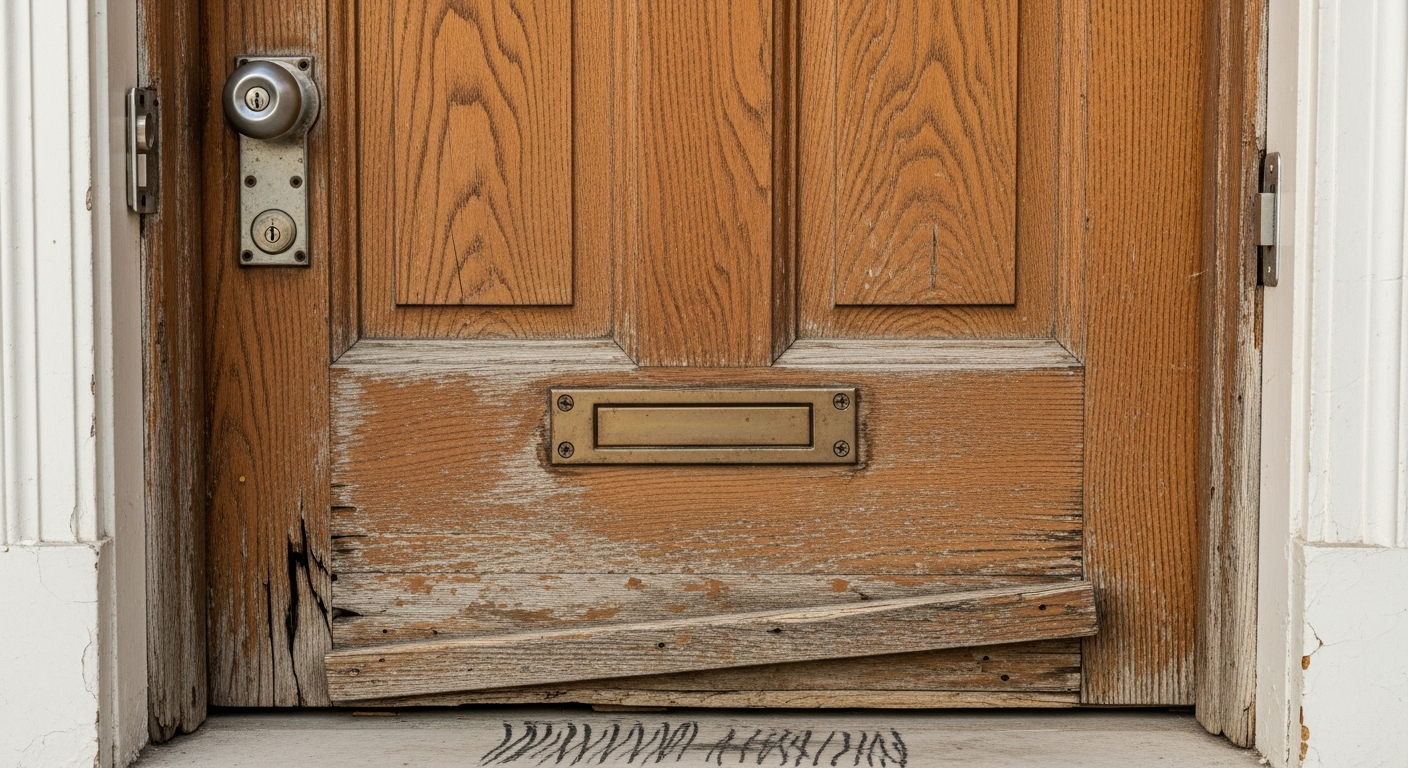
If you've ever jiggled a key three times before your front door finally cooperated, you already know the frustration — and the quiet worry — that comes with a lock that's starting to misbehave. In Elizabeth, NJ, where older row homes along Broad Street and mid-century apartment buildings near Elmora Avenue are common, mortise lock sets are still the hardware of choice on thousands of exterior doors. They're robust, time-tested, and when they're working correctly, they're among the most secure options available. But like any mechanical system, they wear out — and they usually give you plenty of warning before they fail completely.
The problem is that most homeowners don't recognize those warnings for what they are. A little sticking, a faint rattle, a key that feels slightly off — these are easy to dismiss as minor annoyances. In reality, they're your lock communicating that something is wrong. This article breaks down the five most telling signs that your mortise lock is headed toward failure, why each one matters, and what you should do before a small service call turns into an emergency lockout at midnight.
## What Is a Mortise Lock, and Why Does It Wear Out Differently Than Other Locks?
A mortise lock is a complete locking assembly that fits inside a precisely cut pocket — the 'mortise' — in the edge of a door. Unlike a cylindrical knob lock or a simple deadbolt that sits on the door's surface, a mortise lock set houses the latch, deadbolt, and often a cylinder all within a single metal case. This makes it mechanically complex and exceptionally strong when it's in good shape. Brands like Baldwin mortise locks and Corbin Russwin mortise locks have long been specified for commercial and high-end residential doors precisely because of that durability. Even smart mortise lock models, which add electronic credentials to the same robust chassis, rely on the same internal spring-and-cam mechanism that traditional versions use.
But complexity has a trade-off. A mortise lock has more moving parts than a standard door knob lock, which means more points of wear. Springs fatigue. Case screws back out. The mortise lock cylinder — the plug that your key actually turns — accumulates years of grime and microscopic metal shavings from repeated use. On a busy exterior door, that adds up faster than most people expect. Knowing the early warning signs means you can schedule a service visit on your own terms rather than being locked out on a cold January morning.
## Sign 1: Your Key Turns Hard or Requires Wiggling Every Time
This is the most common early signal, and it's easy to rationalize away. You start lifting the door handle slightly while turning the key, or you've learned to push the door inward just a hair — and suddenly it works. That 'trick' you've developed is actually a workaround for a misaligned or worn mortise lock cylinder. The cylinder may have loosened inside its housing, the tailpiece (the small bar that connects the cylinder to the lock's internal cam) may be worn, or years of weather cycling have caused the door or frame to shift just enough to put lateral stress on the mechanism.
Left alone, this symptom progresses. The workaround that works today requires more force next month, until eventually the key won't turn at all — often at the worst possible time. A qualified locksmith can inspect the cylinder, clean and re-lubricate the internals, and determine whether the cylinder alone needs replacing or whether the full mortise lock set needs attention. This is a straightforward service call when caught early; it becomes an emergency locksmith job when ignored.
## Sign 2: The Latch or Deadbolt Doesn't Retract (or Extend) Smoothly
Inside every mortise lock, a series of springs drives the latch bolt and the deadbolt. When you press the handle down, a cam rotates and compresses a spring to pull the latch back. When you turn the thumb turn or key to throw the deadbolt, a different cam extends a separate bolt. If either of those springs weakens or breaks — or if the internal case accumulates enough debris — the action becomes sluggish, sticky, or completely seized. You might notice the handle feels 'spongy,' the deadbolt requires extra force to throw fully, or the latch doesn't retract far enough to clear the strike plate when you push the door.
A deadbolt that doesn't throw completely is especially dangerous from a security standpoint. The door may appear locked — the thumb turn is in the locked position — but the bolt is only partially engaged in the strike, which means a firm push can defeat it. On an exterior door mortise lock set, this is not a cosmetic problem. It's a vulnerability. If you're experiencing this on a commercial property along the Elizabeth waterfront or a rental unit near Journal Square, have a professional inspect it promptly. Our team services both residential and commercial locksmith clients throughout the Elizabeth area and can tell you definitively whether a spring replacement, a case cleaning, or a full lock replacement is the right call.
## Sign 3: The Lock Case Wobbles, Rattles, or Has Visible Play
A properly installed mortise lock sits flush and rigid inside the door edge. If you grip the exterior trim plate or the handle rose and feel any movement — any wobble, any side-to-side shift — the lock case is working loose from its mortise pocket. This happens when the mounting screws back out over time (vibration from a busy street or a slammed door speeds this up considerably), when the wood surrounding the mortise pocket compresses or rots, or when someone has forced the door at some point and the pocket itself has widened slightly. A rattling lock is also a security red flag: a loose case means the internal mechanism is under uneven stress every time the lock is operated, accelerating wear on every component inside.
The fix ranges from a simple screw-tightening and re-torque to a more involved repair if the pocket wood has deteriorated. In some cases — particularly with older, heavier Baldwin mortise lock hardware on thick hardwood doors — the original fasteners are undersized and need to be upgraded to longer, larger-gauge screws that bite into solid wood rather than compacted sawdust. Either way, this is work that requires the door to be inspected in person. If you're in the Elizabeth, NJ area and you've noticed any play in your lock, call (908) 883-3268 — our team can assess whether a quick tightening will do the job or whether you're looking at a more substantive repair.
## Sign 4: The Key Feels Loose Inside the Cylinder, or the Cylinder Spins Freely
A healthy mortise lock cylinder grips the key firmly along its entire length and turns with smooth, controlled resistance. If the key feels sloppy — shifting up and down or side to side while inserted — the cylinder's internal pins or the keyway itself is worn. This is common after a decade or more of daily use, and it's especially prevalent in exterior door mortise lock sets that face rain, humidity, and temperature extremes without regular maintenance. The danger here is two-fold: a worn cylinder is easier to manipulate, and it's also more likely to simply fail to turn the lock on a day when you really need it to.
An even more urgent version of this symptom is a cylinder that rotates continuously without operating the lock — meaning the tailpiece connection has sheared or the set screw holding the cylinder in the case has backed out entirely. At that point, the door is either stuck open or stuck locked, and you're in active lockout territory. This is exactly the scenario where having the number of an experienced emergency locksmith saved in your phone pays off. Don't wait for this moment — if your key is feeling sloppy, schedule a mortise lock cylinder inspection now.
## Sign 5: Visible Rust, Corrosion, or a Musty Smell Around the Lock
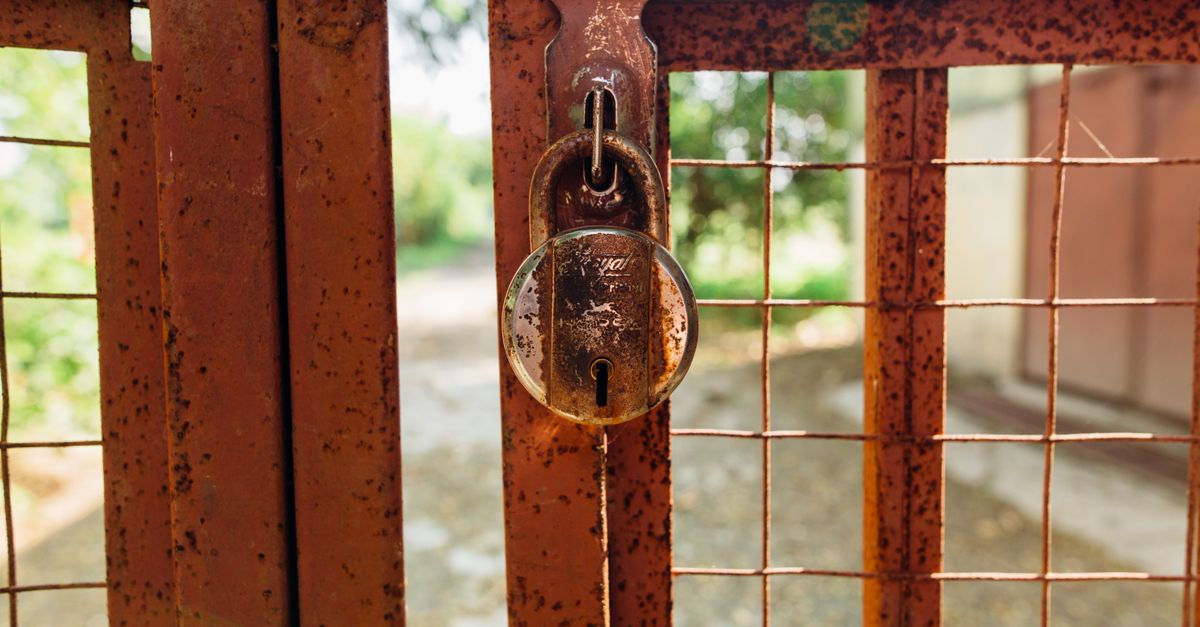
This one sounds cosmetic, but it isn't. Surface rust on the face plate or strike plate is a signal that moisture has been reaching the metal, which means it's almost certainly reached the interior of the case as well. Inside a mortise lock, rust attacks springs first — they're thin and under constant tension, making them the most vulnerable component. Corroded springs snap without warning. Rust on the latch bolt or deadbolt creates friction that makes operation feel normal right up until the mechanism seizes completely. A musty or metallic smell near the lock, or rust staining on the door edge below the case, are strong indicators that the lock's interior has been compromised.
In Elizabeth's coastal-influenced climate — the kind of damp, salt-tinged air that rolls in off Newark Bay — metal hardware on exterior doors takes a harder beating than it would inland. Homes and businesses along the North Avenue corridor or near the Port Elizabeth terminal see this accelerated corrosion regularly. A professional inspection at this stage may reveal that the lock case can be cleaned, dried, and re-lubricated with a corrosion-inhibiting lubricant (never WD-40 on a mortise lock — it attracts debris). Or it may show that the internal components are too far gone and replacement is the safer choice. Either outcome is better than discovering the problem from the wrong side of a locked door. When you're ready to have an experienced locksmith assess your lock, call (908) 883-3268 — we're available 24 hours a day, 7 days a week.
## What to Expect When You Call a Locksmith for a Mortise Lock Service
When you contact Elizabeth NJ Locksmith for a mortise lock inspection or repair, here's how it works: we ask about the lock's brand (if you know it), the door type — interior, exterior, residential, or commercial — and your location in the Elizabeth area. We dispatch a skilled technician who arrives with the tools to inspect, service, and in most cases repair or replace the lock on the spot. Before any work begins, we confirm an exact price with you upfront. The final quote depends on factors like the lock model, the parts required, the time of day you're calling, and how far our nearest technician is traveling — but there are no surprises and no work starts until you've approved the number.
Our services cover far more than mortise locks. We handle residential lockouts, car lockouts, rekeying, high-security deadbolt installation, door knob lock replacement, master key systems, access control, commercial locksmith work for businesses, safe opening, mailbox locks, cabinet locks, gate locks, padlock removal, lock repairs, window locks, sliding door locks, garage door locks, peephole installation, door reinforcement hardware, emergency board-up after a break-in, lock changes after a move or lease turnover, key duplication, transponder key programming, ignition repairs, broken key extraction, intercom system locks, and smart lock installation and troubleshooting — including smart mortise lock models for clients who want keyless convenience without sacrificing the strength of a full mortise chassis. Whether you're a homeowner, a property manager, or a business owner, we bring the same trained, experienced hands to every job.
## Frequently Asked Questions About Mortise Lock Repair in Elizabeth NJ
The FAQ section below addresses the questions our team hears most often from Elizabeth-area homeowners and business owners.
Frequently asked questions
How much does a locksmith cost in NJ for a mortise lock repair?+
There's no single flat rate because several factors shape the final price: the brand and model of the mortise lock set (a Corbin Russwin or Baldwin unit requires different parts than a standard residential lock), whether the job involves a cylinder replacement, a full lock replacement, or just a cleaning and adjustment, the time of day you're calling (evening and overnight service involves different logistics than a midday appointment), and travel distance to your address in the Elizabeth area. What we never do is start work before confirming an exact price with you. You'll know the full cost upfront — no estimate ranges that balloon once we're on-site.
How much should an emergency locksmith cost, and is nighttime service more expensive?+
Emergency locksmith calls — the kind that happen at 2 a.m. because your front door lock finally gave out — are priced differently than scheduled daytime service appointments. Time of day, urgency, and parts availability all factor in. What shouldn't vary is transparency: any reputable locksmith confirms the full price before touching your lock. When you call (908) 883-3268, we give you that number before we start, regardless of the hour.
What proof do I need to show a locksmith before they'll work on my lock?+
For residential work, a trained locksmith will ask you to verify that you have the right to access the property — typically a photo ID matching the address, a utility bill, a lease agreement, or similar documentation. For commercial locksmith jobs, a business card plus owner ID is usually sufficient. This verification step protects you as much as it protects the locksmith; it's a standard part of responsible, professional practice. Our team handles the verification process respectfully and efficiently so we can get you back inside as quickly as possible.
What locks can locksmiths not open?+
A skilled locksmith can open the vast majority of residential and commercial locks through legitimate, non-destructive techniques. There are edge cases — very high-security safes with time-delay mechanisms, certain biometric commercial vaults, or locks that have been physically damaged beyond standard picking or bypass methods — where destructive entry or manufacturer intervention may be required. A mortise lock in failed condition (seized cylinder, broken springs, sheared tailpiece) may also require drilling or case removal rather than picking, particularly if the lock has physically jammed. Your technician will assess the fastest, least damaging approach for your specific situation and explain the options before proceeding.