Elizabeth NJ Locksmith Service Team
Local locksmith team
Jun 17, 2026 10 min read
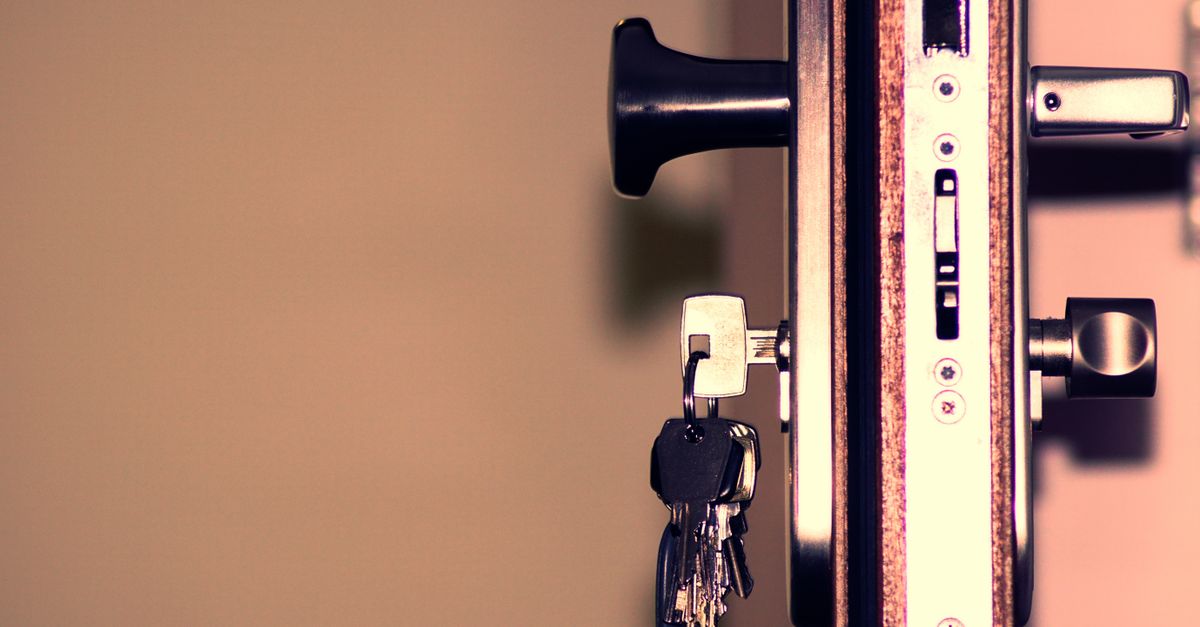
It happens fast — you're standing outside your front door on Broad Street, keys nowhere to be found, and the realization sets in: you're locked out of your house. Maybe you left your keys inside, maybe the lock malfunctioned, or maybe you're dealing with a broken door knob lock after a long day. Whatever brought you here, the first question most people ask isn't just 'who do I call?' — it's 'what are they going to ask me before they open my door?' That's a smart question, and it deserves a straight answer.
A professional locksmith's job isn't just to open locks — it's to open the right locks for the right people. Before any trained technician from Elizabeth NJ Locksmith touches your door or vehicle, they'll ask for specific proof of ownership. This protects you, your neighbors, and the integrity of the service itself. Here's exactly what to expect, why it matters, and how to make the process as smooth as possible — whether you're dealing with a residential mortise lock, a modern deadbolt, or a car lockout on the New Jersey Turnpike connector.
## Why Locksmiths Ask for ID When You're Locked Out of Your House
When you're locked out of the house, frustration is natural — but the verification step exists entirely in your favor. A skilled locksmith who opens a door without confirming identity could inadvertently assist a break-in. That's a liability for you as the property owner, for your neighbors, and for the locksmith's professional standing. Reputable locksmiths are insured, which means they also have a legal and ethical obligation to verify that the person requesting entry has a legitimate claim to the property.
Think of it this way: you want your locksmith to ask for proof. If a technician showed up and opened your door for anyone who knocked, that same standard would apply to your home when you're not there. The verification process is the barrier that separates a trustworthy emergency locksmith from one who could put your property at risk. In a city like Elizabeth — where dense residential blocks on streets like Morris Avenue sit right next to commercial corridors — responsible verification matters even more.
## What Proof of Ownership to Have Ready: Home Lockouts
For a residential lockout — whether it involves a traditional mortise lock, a door knob lock, or a multi-point deadbolt — most experienced locksmiths will ask for a combination of the following: a government-issued photo ID (driver's license, state ID, or passport) showing your name and, ideally, the address of the property; a piece of mail, utility bill, or lease agreement addressed to you at that location; and, where possible, any documentation showing your tenancy or ownership such as a mortgage statement or rental contract. You don't need to have all of these — but the more you can provide, the faster and more confidently the technician can proceed.
If your name on the ID doesn't match the address (for example, you recently moved and your license still shows your old address), be upfront about it. A professional technician will work with you — perhaps asking for two supporting documents, or confirming your identity through a lease showing both your name and the property address. Renters have the same access rights as owners, so a current lease is every bit as valid as a deed. If you're in a property management situation, a letter from your landlord can also help. The goal is simply a reasonable, good-faith confirmation that you belong there.
## What to Do When Locked Out of a Car: Vehicle Verification
Vehicle lockouts come with their own verification checklist. When you call an emergency locksmith for a car lockout, have your driver's license ready, along with the vehicle registration (which should already be in the glove box — but if it's locked inside, that's okay). Your insurance card, which many people keep in the car, can serve as a secondary document. If none of those are accessible because they're inside the locked vehicle, a title document or even a photo of your registration on your phone is a reasonable substitute that most professional technicians will accept.
The technician will typically note the VIN visible through the windshield and cross-reference it with your registration to confirm the vehicle is yours. For newer vehicles with transponder keys or push-button ignition systems, additional programming steps may be involved, and some locksmiths will ask for your vehicle title or proof of purchase before cutting or programming a new key — especially for high-security makes. This is standard practice and is no different from what a dealership would require. If you're locked out of your house and your car on the same day (it happens), know that the documentation requirements for each are handled separately.
## Mortise Lock, Door Knob Lock, and Commercial Lock Situations: Extra Considerations
Not all locks are created equal, and the complexity of your lock type can affect both the verification conversation and the service itself. A residential mortise lock — the type built into the door body itself, common in older Elizabeth homes and apartment buildings — requires a more involved process than a standard door knob lock, both mechanically and in terms of ownership verification. Because mortise locks are more frequently found in multi-unit buildings, a commercial locksmith or residential technician may ask to confirm not just that you live in the building, but specifically in the unit you're requesting access to. A lease clearly showing your unit number is the clearest document in this case.
For business owners dealing with a commercial lockout — a storefront on Elizabeth Avenue, a warehouse near the port, or an office suite — the documentation bar is similar but may also include a business license, employee ID, or a signed letter of authorization if you're not the primary owner on record. A qualified commercial locksmith understands that business properties carry added security considerations, and they'll handle verification accordingly. If you manage multiple properties or are a property manager requesting access on behalf of a tenant, bring written authorization and your own photo ID — both are required. And remember: if you're ever unsure what to bring, just call us at (908) 883-3268 before the technician arrives and we'll walk you through it.
## Locked Out of House With No Key: Prevention and What Comes Next
Once you're back inside, it's worth taking a few minutes to prevent a repeat situation. The most practical step is making a spare key — not hiding one under a mat or in a fake rock (these are the first places anyone checks), but entrusting one to a neighbor you know well, a family member nearby, or a secured key lockbox with a combination you'll actually remember. For Elizabeth homeowners with older mortise locks or aging door knob lock hardware, a lockout is also a good moment to assess whether it's time for an upgrade. Modern high-security locks from manufacturers like Schlage or Kwikset offer rekeyable cylinders, which means if you lose a key, a locksmith can rekey the lock without replacing the entire hardware set — saving time and simplifying your key management.
Smart lock options are another avenue worth exploring. Keypad and Bluetooth-enabled deadbolts eliminate the lost-key scenario entirely for the main entry, though they work best alongside a traditional backup lock rather than as a sole solution. If your building uses a mortise lock system, ask your locksmith about compatible smart cylinders that retrofit into the existing mortise body — they exist, and a skilled technician can advise on what fits your specific door and frame. The bottom line: a lockout is inconvenient, but it's also one of the clearest signals your home security setup is due for a review. Elizabeth NJ Locksmith offers on-the-spot assessments when we arrive for a lockout call — no pressure, just honest professional input.
## Our Full Range of Locksmith Services in Elizabeth NJ
Elizabeth NJ Locksmith is a 24/7 mobile locksmith serving the Elizabeth area and surrounding Union County communities. Our team handles residential, automotive, and commercial locksmith needs — here is a full look at what we offer: residential lockouts, commercial lockouts, automotive lockouts, mortise lock installation and repair, door knob lock replacement, deadbolt installation, high-security lock upgrades, lock rekeying, master key system setup, lock repairs after attempted break-ins, mailbox lock replacement, garage door lock service, smart lock installation, keypad lock installation, Schlage and Kwikset hardware installation, transponder key programming, car key duplication, broken key extraction (door and ignition), ignition repair and replacement, file cabinet and desk lock service, safe opening and combination changes, access control system consultation for businesses, door hardware installation for commercial properties, window lock installation, storage unit lock service, and emergency locksmith response for after-hours residential and business calls. Whether you're dealing with a stubborn mortise lock in a century-old Elizabeth Victorian or a high-tech push-button ignition in a late-model SUV, our experienced technicians carry the tools and knowledge to handle it correctly the first time.
Frequently asked questions
What proof do I need for a locksmith to open my home?+
For a home lockout, a government-issued photo ID is the baseline requirement — ideally one that shows the address of the property. If your ID shows a different address (for example, it hasn't been updated since you moved), supporting documents like a current lease, utility bill, mortgage statement, or piece of official mail addressed to you at the property will bridge the gap. Renters should have their lease handy. Property managers should carry written authorization from the owner plus their own ID. You don't need every document on this list — the goal is a reasonable, good-faith confirmation that you have a right to access the property.
Can police help if I'm locked out of my house?+
In most cases, local police are not equipped to open residential locks and will not do so as a routine service — that's simply not within their standard operational scope. Officers may respond to check on your welfare if there's a safety concern, and they may stay with you until a locksmith arrives if the situation warrants it, but they won't pick your lock or force entry into a private home on your behalf. Your best and fastest path when you're locked out of the house is to call a qualified emergency locksmith who can verify your identity and get you back inside safely and without damage to your door or lock hardware.
How much does a locksmith cost in NJ, and how much should an emergency locksmith cost?+
We never quote a one-size-fits-all price because the final cost depends on several real factors: the type of lock involved (a standard door knob lock is simpler than a high-security mortise lock), the time of day (after-hours and weekend calls involve different considerations than daytime appointments), the travel distance to your location, and whether any parts — new cylinders, keys, or hardware — are needed. What we commit to every time is confirming an exact, up-front price before any work begins, so there are no surprises on the invoice. Call (908) 883-3268 and we'll give you a clear quote right over the phone based on your specific situation.
What locks can locksmiths not open?+
A skilled, experienced locksmith can open the vast majority of residential and commercial locks — including mortise locks, deadbolts, door knob locks, padlocks, and most automotive locks. That said, certain ultra-high-security locks (some biometric safes, government-grade security containers, or proprietary electronic systems with no mechanical override) may require the original manufacturer or a specialist with proprietary equipment. In rare automotive cases, certain advanced transponder or proximity key systems on newer vehicle models may require dealer-level programming tools in addition to locksmith equipment. When you call us, we'll be upfront if a specific lock type falls outside what we can handle on a mobile basis — we'll never attempt work we can't complete properly.